Research Tools
Using ATLAS.ti for Qualitative Data Analysis
Working with Atlas.ti?
We deliver transcripts ready for import.
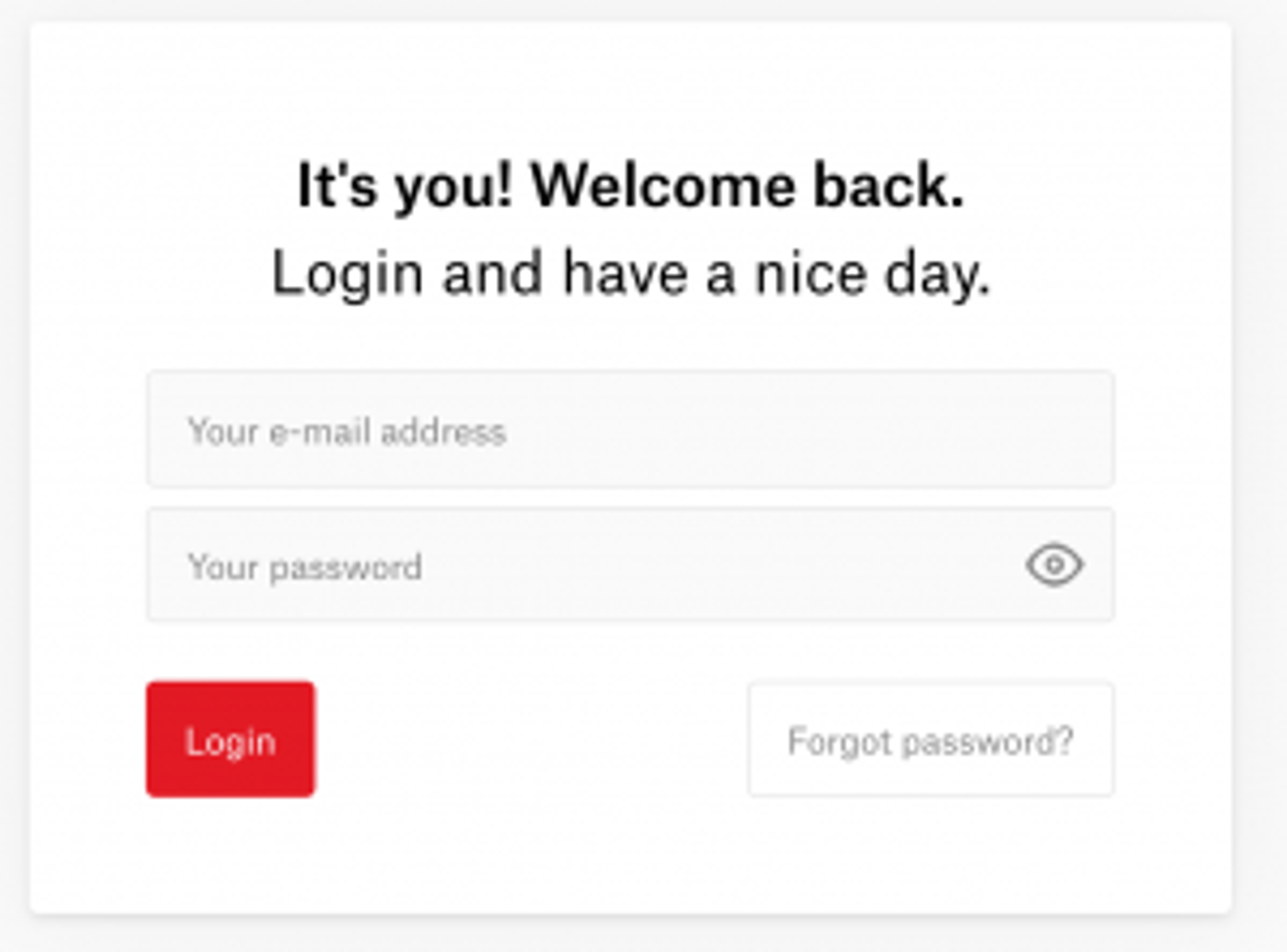
1. Login
- Go to atlasti.com
- Log in to your ATLAS.ti Web account (the same concepts apply in the desktop app)
2. Set up your project
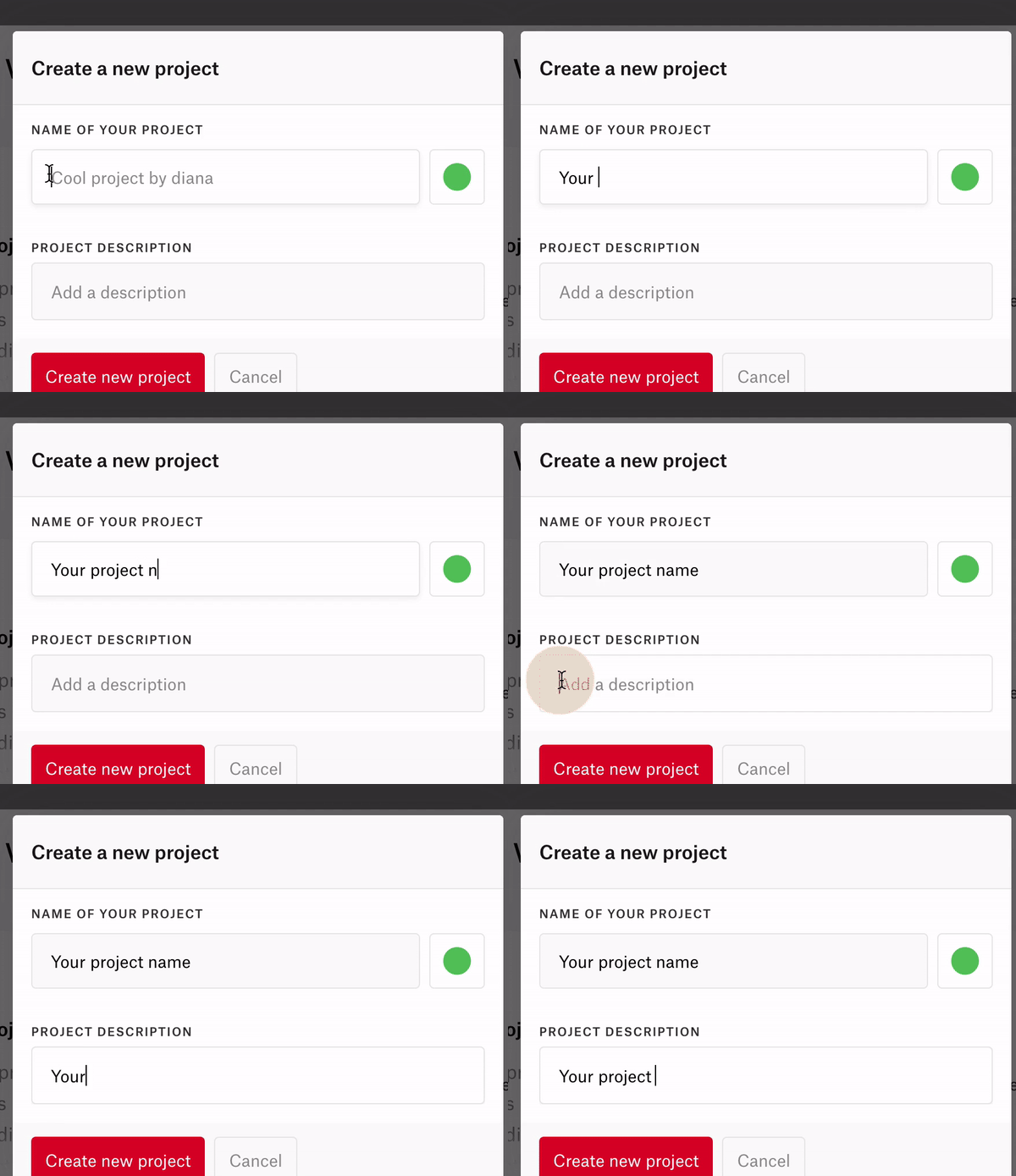
- Once you have entered click ‘Create a new project’ and add the information for your project
- Give a name to your project. You can also give a description and a specific color for each of your projects.
- Start adding your data to continue to your analysis.
- Every ATLAS.ti project is made up of documents — any source of information you are going to analyze.
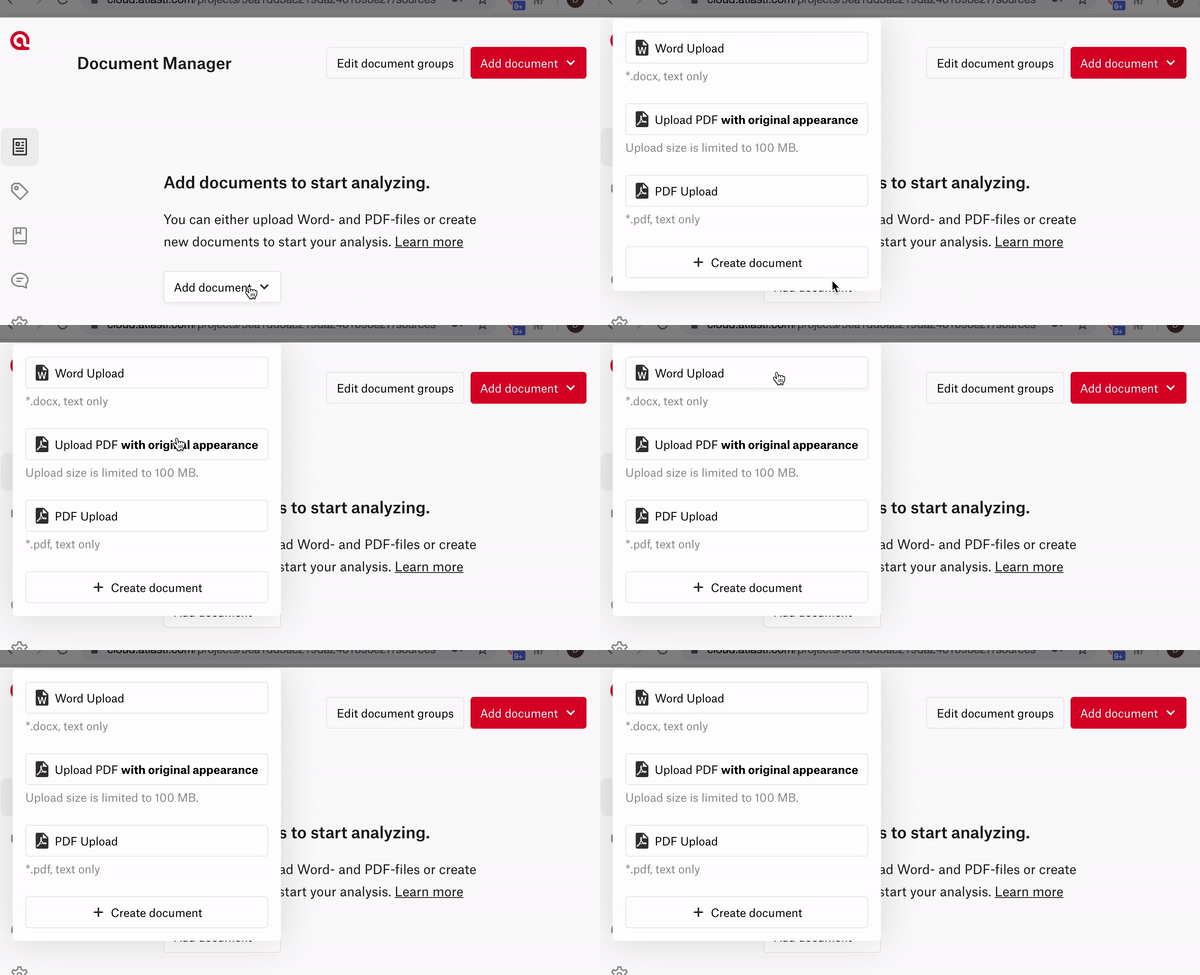
- Add your documents by clicking ‘Add Document’.
3. Understand your Data
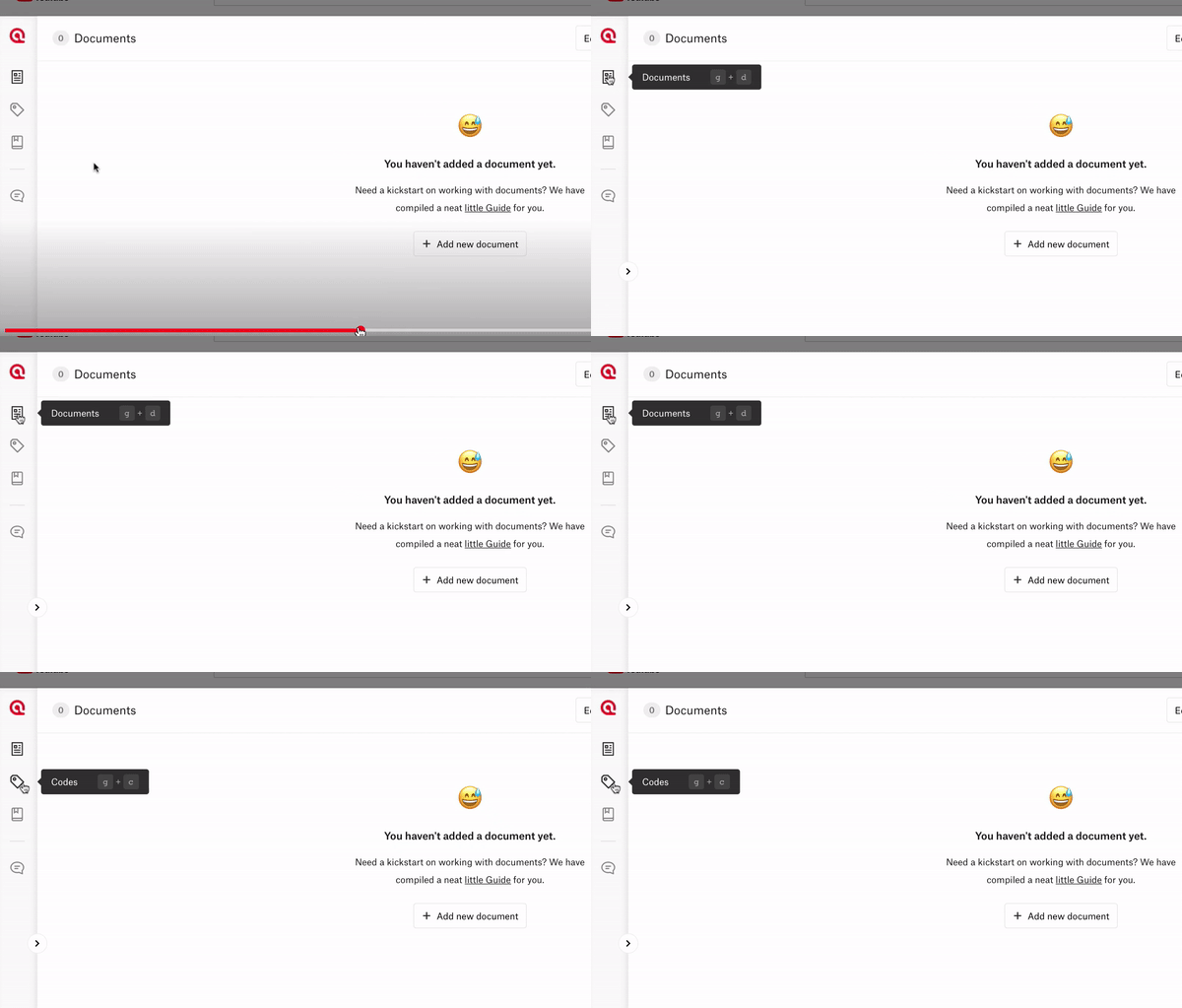
- Codes are tags that you will associate to the segments of information, so that you can analyze and organize all of your data.
- Memos are notebooks for recording your thoughts, ideas, and analytic insights as you read through your transcripts.
- Quotations are the actual segments of data you select as you read through your documents.
4. Analyze your Data - pinpoint qualitative insights
- Creating quotations, applying codes, and adding comments across your documents play a central role in your qualitative analysis.
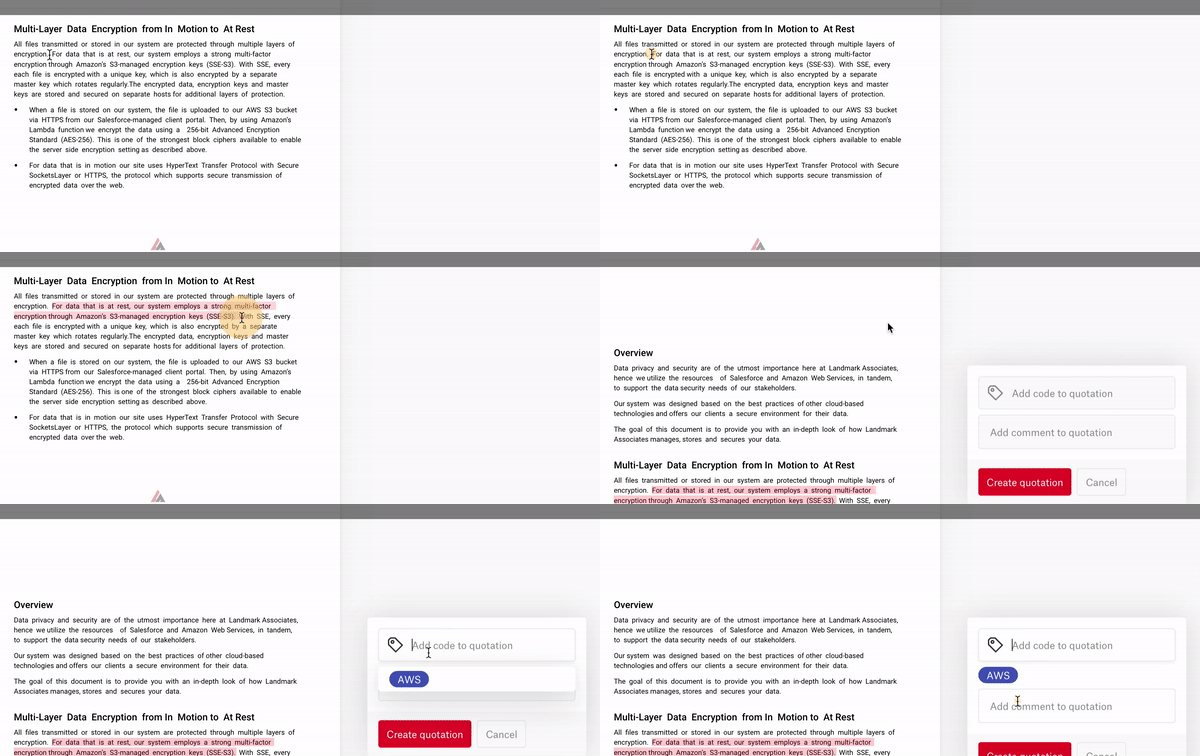
- To create a quotation, highlight text relevant to your research topic.
- Apply an existing code or add a new one.
- You can also add a comment to reflect on a quotation.
- You can create quotations for single words, full sentences, or entire paragraphs.
5. Visualize your Data Analysis
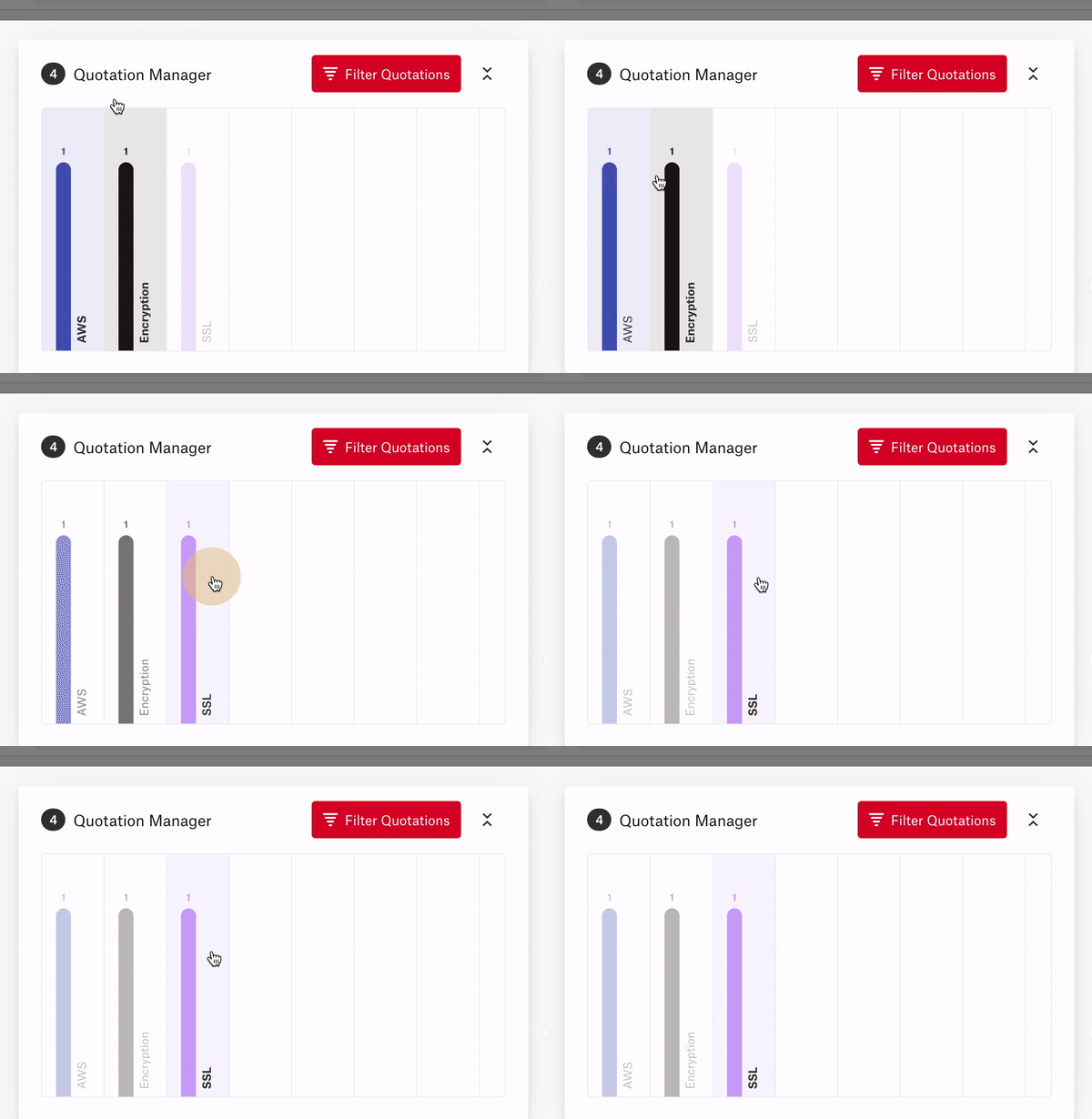
- Once you have coded your data, open the Quotation Manager.
- It lists every quotation grouped by code — click any code to see a detailed list of the passages you coded with it.
That's the core ATLAS.ti workflow — documents in, codes applied, insights out.